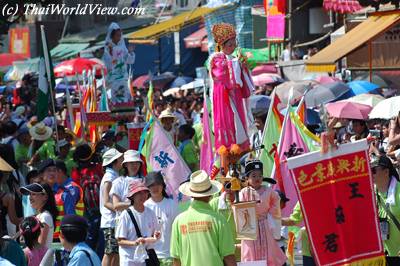
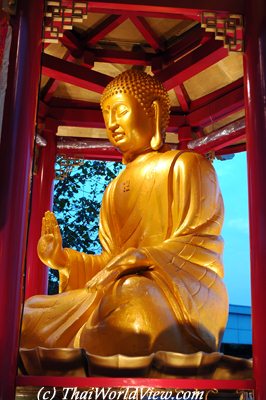
Buddha's Birthday
The year Buddhism first appeared in Hong Kong can be traced back to 428 AD when a Buddhist monk
called Bui Dou arrived here and built temples in today's Tuen Mun and Yuen Long area.
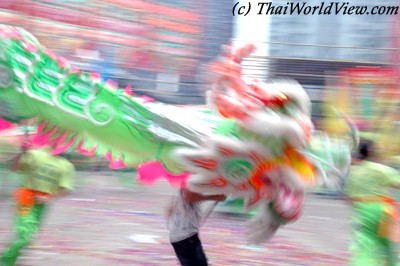
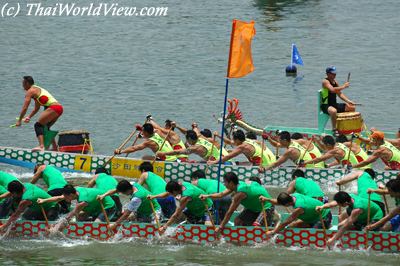
Dragon Boat festival
The Tuen Ng Festival is a Chinese tradition and people
celebrate this festival by eating rice dumplings and having a dragon boat competition.
01 : Hong Kong Special Administrative Region Establishment Day
AUGUST
06 : Birthday of Kwan Tai
This festival falls on the 24th
day of the sixth lunar month.
19 : Seventh Goddess' Day / Tsat-je
This festival falls on the 07th
day of the seventh lunar month.
Seven Sisters Festival
The Seven Sisters Festival is a traditional Chinese festival. Young women were
supposed to pray to the deities for embroidery skills and a good husband.
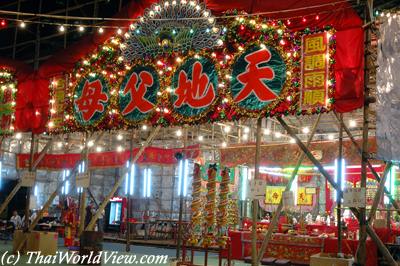
Hungry Ghosts Festival
In Hong Kong, the Hungry Ghost Festival is a major Buddhist
and Taoist event. Hungry ghosts are the restless spirits of people who did not have a
funeral. There is no one visiting their graves and they do not receive the gifts
that Chinese people would take to their ancestors to pay respects.
They miss out on food and spirit money. The Hungry Ghosts Festival is
celebrated on the 14th night of the seventh lunar month.
National Day
National Day in Hong Kong is related to the creation of the People's Republic of China on October 1st 1949.
On that day there are magnificent fireworks over Victoria harbour.
18 : Chung Yeung Festival
As 18th October is a Sunday, Monday
19th October is given as a substitution public holiday.
NOVEMBER
No public holidays during this month.
DECEMBER
21 : Winter Solstice
Chinese families usually celebrate it by eating dumplings or
eating a dish made of red beans and glutinous rice to drive away ghosts and evil spirits.