TIN HAU BIRTHDAY
Increase or decrease font size for easier reading : A+ A-
Each year, Hong Kong celebrates the birthday of Tin Hau (天后誕), also known as the Queen of Heaven and Goddess of the Sea, who enjoys a special place in people's hearts thanks to the territory's long maritime history. Many people in Hong Kong still owe their livelihood to the sea and celebrate Tin Hau's birthday every year.
- Offerings
Tsing Yi
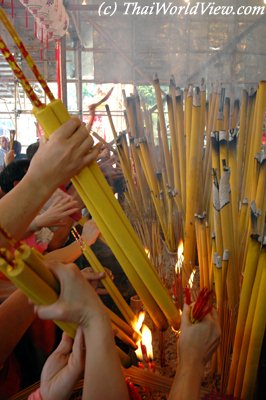
To protect fishermen and seafarers, local people offer up joss sticks, small sums of money and oranges to the goddess Tin Hau.
Tsing Yi
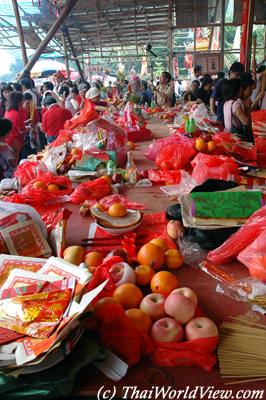
During Tin Hau festival, joss sticks, suckling pigs and white wine are usual offerings.
- Pay respect
Tsing Yi
Tin Hau can forecast the weather and save people from shipwrecks. However, since the decline of the local fishing industry and advances in meteorology, the goddess has expanded her role to watching over families. Hong Kong parents often offload the responsibility of raising their own children to the goddess by making her their godmother.
Tsing Yi
Local people buy paper spinning wheels which will bring good luck to their home.
Tsing Yi
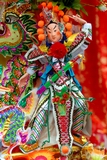
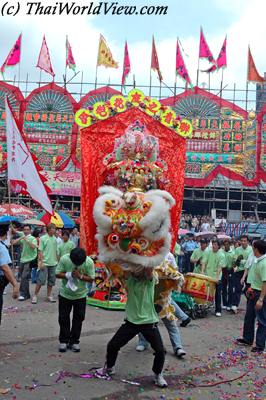
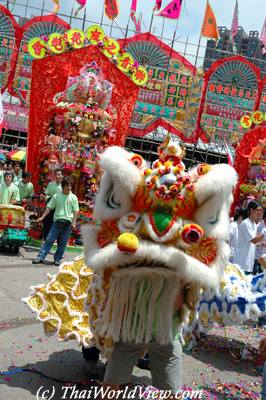
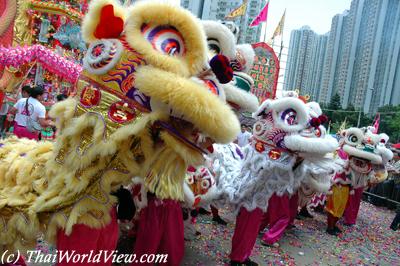
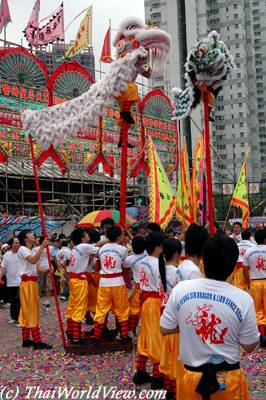
On the festive day, believers perform lion dance and drums, carry other items and offer them to Tin Hau deity at Tin Hau Temple.
Tsing Yi
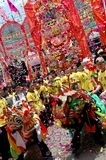
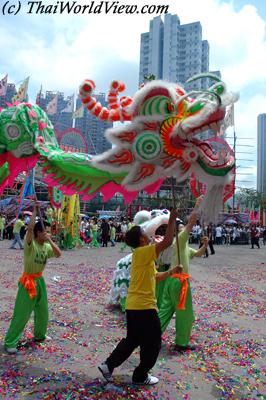
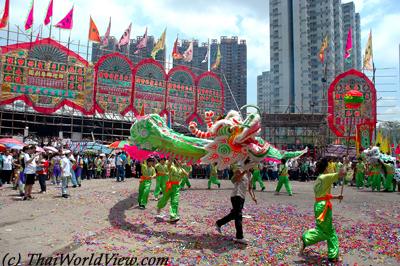
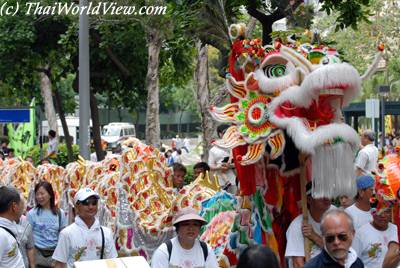
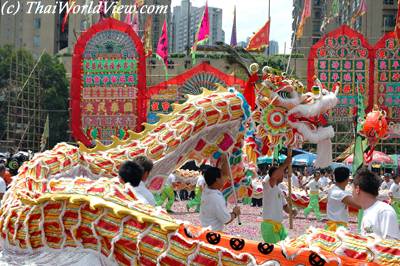
The most famous festivities for Tin Hau birthday happen in Yuen Long Town with a spectacular parade through the streets. 25 teams of performers, including lion dancers, dragon dancers and other artists formed a procession. From the stadium the teams march back to the Tin Hau Temple at Tai Shue Ha, where tribute is paid to the statue of Tin Hau. This is followed by drawing lots for the right to carry the most prestigious "Fa Pau" next year.
Tsing Yi
The Yuen Long parade, in the New Territories, include colourful floats and lion dances. The procession of parade through the streets takes about two hours.
Tsing Yi
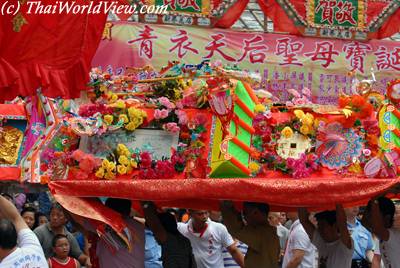
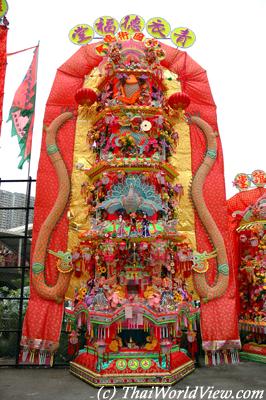
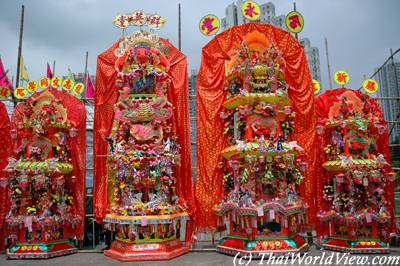
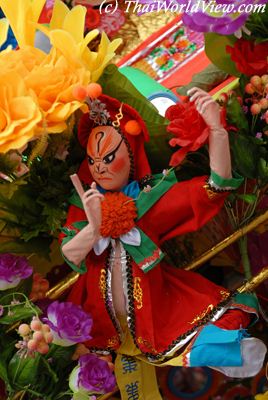
The Tin Hau birthday festival culminates in a procession and is characterised by floral paper offerings known as "Fa Pau".
- Lions and Dragons Dances
Tsing Yi
Tin Hau birthday events are organised by local Celebration Committees and local Rural Committees.
Tsing Yi
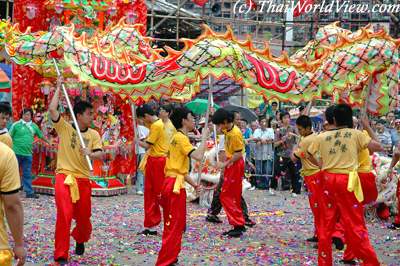
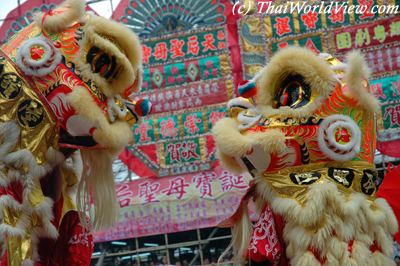
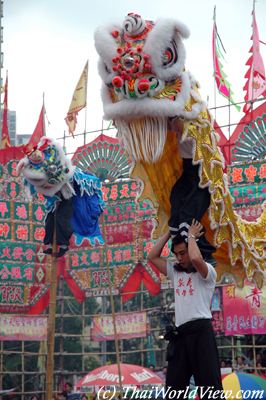
During Tin Hau Festival, dragon dances and lion Dances are performed on the streets and in temple yards.
Tsing Yi
Tsing Yi
A lottery is organized. The prices are elaborate altars, made of bright paper, which are brought to the temple by participating associations. Each altar is numbered.
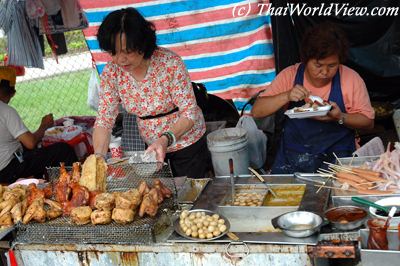
- Kermess
Tsing Yi
- Paper Flowers
Tsing Yi
Previously the festival was celebrated by a colorful competition. Small associations were represented by young men who fought over lucky coins fired from a small cannon. The Hong Kong Police has banned this competition in the early 1960s.
Tsing Yi
To celebrate Tin Hau auspicious birthday, fishermen decorate their boats and gather at Tin Hau temples to pray for fine weather and good catches during the coming year. Every year, fishermen gather for a big celebration at Joss House Bay, and traditional rites are performed at the temple.
Tsing Yi
- Parade
Tsing Yi
Tsing Yi
- Chinese Opera
Tsing Yi