
BEFORE YEAR 1958
Increase or decrease font size for easier reading : A+ A-
In year 1897, Thai people discovered cinema.
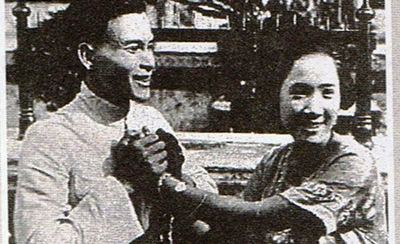
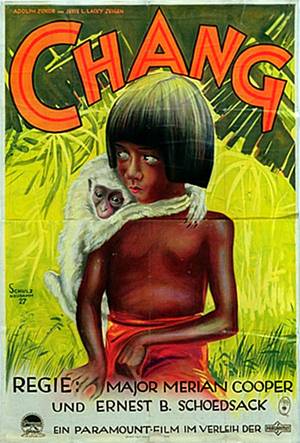
The first Thai films appeared in decade 1920s such as "Chok Song Chun" (โชคสองชั้น) in year 1927.
YEARS 1958 to 1970
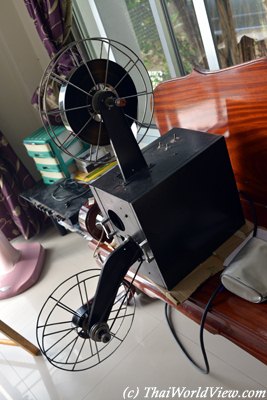
All Thai films during decade 1960s, even the 35mm ones, were dubbed. Toward the late 1960s, 16mm films that had to be live-dubbed later were being phased out. 35mm film era had arrived, allowing for sound synchronization. This brought about a resurgence in film-making, a proliferation of cinema halls and bigger audience numbers.
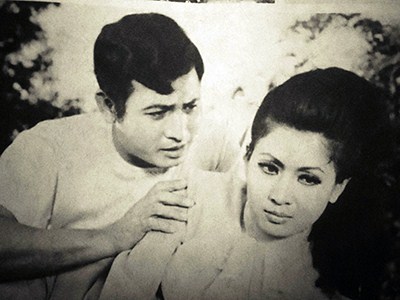
Years 1958-1970 were highlighted by the actor Mitr Chaibancha, who appeared in a phenomenal 266 movies, mostly dramas and action films. In the hundreds or so films released each year, he was the star of thirty of them.

The 35mm movies were more expensive but have the advantage that the director was sure that everyone has the same movie experience.
After year 1972, some 35mm movies were still released in 16mm format as outdoor cinema companies were still using 16mm projectors in countryside (16 มม.สโคปไว้เพื่อความสะดวกของการฉายตามต่างจังหวัด).


YEARS 1970 to 1980
The director ChatriChalerm Yukol was the first to reject dubbing in his movies. He was also the first to have original sountracks and not American soundtracks. It is very common in Thai 1970s movies to hear Star Wars soundtrack!
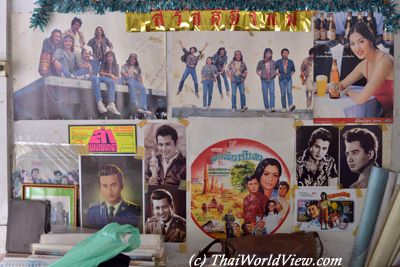
of Thai actors / actresses
A few big superstars had gone through Thai show business. Mitr Chaibancha and Petchara Chaowarat, at their height in the 1960s, dominated Thai cinema. After Mitr Chaibancha, there was Sombat Metanee and after him there was Sorapong Chatree.
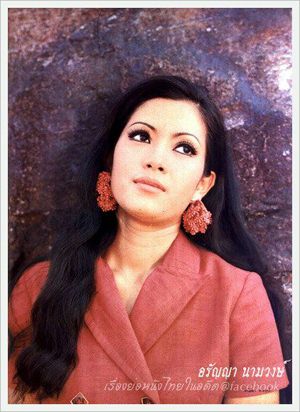
The early seventies was the golden age of Thai cinema, with around 200 movies being made annually. For years, locally produced films made practically no attempt to sell outside Thailand. It is believed that the smaller number of movies, dropping from over 200 titles in a year during 1970s, results in a better screening and quality works. So Thai actors were forced to make a living by playing also in TV series.
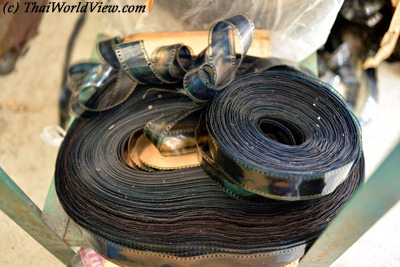
In the 1970s Bangkok's leading intellectuals made fun of Thai conventional films, calling them "NAM NAO" (น้ำเน่า - polluted water) to convey their state of rotten stillness. But Thai cinema in the 1970s took an interest in reflecting social ills. Politics, left and right, was the fabric of daily life.

The Motion Picture Export Association of America had to stage a sustained boycott of the Thai market following the increase in import taxes on films in Jan 1977. The price increased from 2.2 baht per metre to 30 baht per metre for 35mm film roll! The boycott stopped in May 1981.
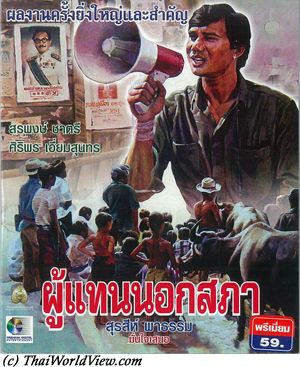
Movies characters were divided into two groups, i.e. the good (ดี) and the bad (ร้าย). Sexy stars (ดาวยั่ว) started to appear in all movies. Actresses such as Preeya Roongrueng, Kaenjai Meenakanit or Chadaporn Wachirapranee had to be beautiful but also dared playing sexy and nude roles.

A few 35mm movies became very popular end of 1960s decade (โทน and มนต์รักลูกทุ่ง). Starting in 1972, all movies were shot in 35mm but still two movies characters groups remain, i.e. the good (ดี) and the bad (ร้าย). After 1973, more freedom and more democracy happen. The movies characters groups changed.

Such movies were called "Movies selling Sex" (หนังขายเซ็กส์). First Thai movies with such modern leading actress acting daring way were ชู้ (1972) and สาวขบเผาะ (1972).
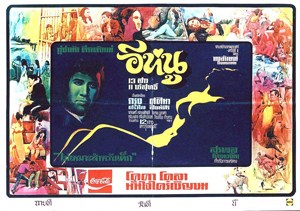
The movie characters groups changed. No more funny character (ตัวตลก) groups were present. The leading actress was no more a nice and shy lady (คนเรียบร้อย). The leading actress role merged with the sexy star role, which was reserved to a specific cast of actress before (ดาวยั่ว).
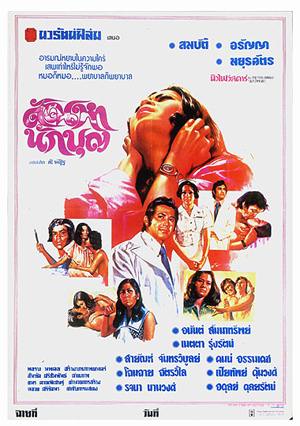
Many movies dealt about themes that were not shown during 1960s decade. The movie "Necklace of love" (สร้อยสวาท) (1975) was about homosexuality. The saint's desire (ตัณหานักบุญ) (1975) featured a passionate lesbian kiss between two female leads. Male nudity and men being represented as sexual objects of female desire also hit the news in the mid 1970s.
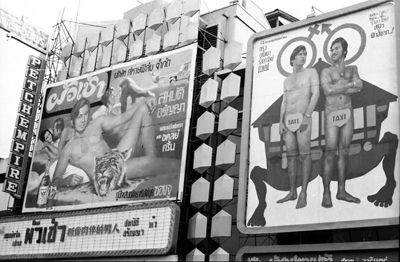
The film was finally allowed after change of name but some parts were still censored. Society could accept naked ladies in movies but not yet male prostitutes. It was hypocrisy as Thai censors were all males! Some theathers started to project movies which didn't pass censors.
Under the 1930 Film Act, theater owners and broadcasters must submit films that they plan to show to the film censorship board for review. It is a hindrance to the development of the Thai film industry. This makes critical and experimental filmmakers insecure.

During Thanin Kraivichian's government (1976-1977) period, the production of serious films stopped as Thai people were tought to be afraid of communism. Politics gradually disappeared from Thai films in the 1980s.
YEARS 1980 to 1997
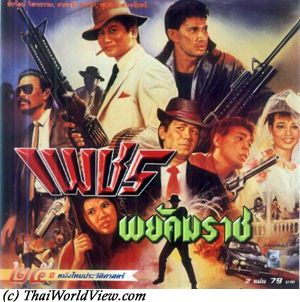
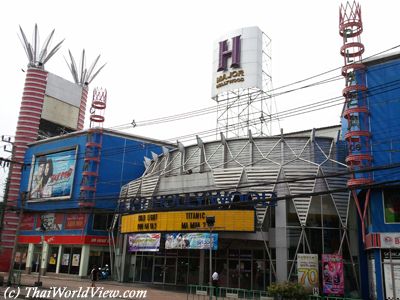
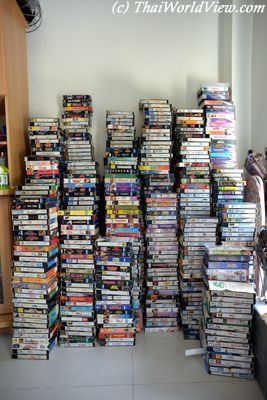
In 1980s the television and pirated videotape recordings competed with the film industry and pushed film business into an economic decline. These media influenced the new pattern of movies theatres from stand-alone movie theatres to mini-theatres in shopping malls.
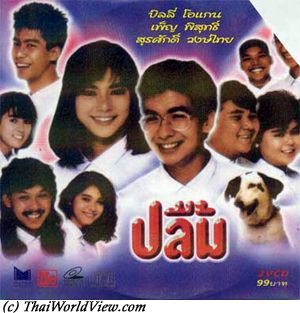
In the 1990s, mini-theatres in shopping complexes were replaced by multiplex movie theatres. In the 1990s, Thai TV soap operas boomed. While Thai soap became popular, Thai film declined. Moreover many film superstars such as Jarunee Suksawat and Sorapong Chatree turned their career to work in TV drama.

In 1993 the government decreased the import tax on films. As a result, the number of Thai films produced decreased such that in 1999 and 2000 only 9 movies were released. The Asian crisis in 1997 didn't help also!
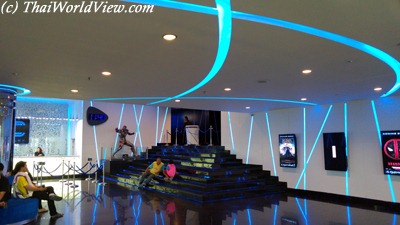
In early 1990s the invasion of American blockbusters saw most local producers attempt to attract the under-17 audience, where they felt they could still find a market. The result was a preponderance of teen comedy and teen action movies. Plots and themes often centered on the classroom. Between the mid-1980s and the mid-1990s, the Thai film industry suffered a major decline. A sudden trend for teen flicks drove large sections of the filmgoing audience away from cinemas, and by the mid-1990s the industry was producing barely ten films annually. Between 1988 and 1997, Thai movies quantity drops dramatically from 60 to 8 films per year.
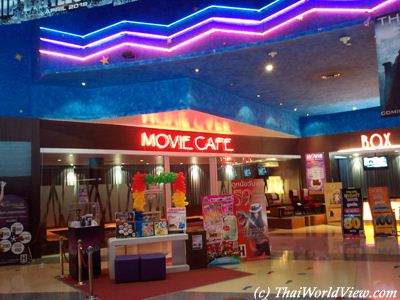
In the 1990s, the political events of "PREUSAPA TAMIN" (พฤษภาทมิฬ - Black May 1992) inspired filmmakers to produce Third Cinema films. These films emphasized the role of the military in political affairs.
YEARS 1997 TO NOWADAYS
The style of films from the new directors (Pen-Ek Ratanaruang, Apichatpong Weerasethakul, Nonzee Nimitbut...) in late 1990s was different from the previous decade. They presented films that were influenced by advertising and music video clips. There were more focus on urban life and people enjoying consumerism. The number of films that presented the story of urban life and middle class increased. On the other hand, the number of films for provincial people (Action movies and Ghost movies) declined.
Since 1999, some Thai movies such as "Nang Nak", "Iron Ladies", "Bang Rajan", "Jan Dara", "Ong bak" have been released outside Thailand in Asian countries such as Hong Kong. Even Francis Copolla has shown a great interest in Suriyothai and has promised to help to make a shorter version for US audience. Thai cinema is now breaking down the barriers between the local and international markets.
Since the 1997 Asian financial crisis, the Thai movie production has stronly increased. Thai films have enjoyed a revival and the market share of Thai films has increased from 1 percent to 20 percent (only 9 movies in 2000, 17 films in 2001, 21 films in 2002, 46 films in 2003, 44 films in 2004, 39 films in 2005). The majority of annual releases (around 30 to 40 titles) are still occupied with old popular genres like Horror, Action and Comedy. Since 2005, around 45 to 50 Thai films have been made each year. About half of them are either ghost or comedy movies, followed by action movies featuring martial art.
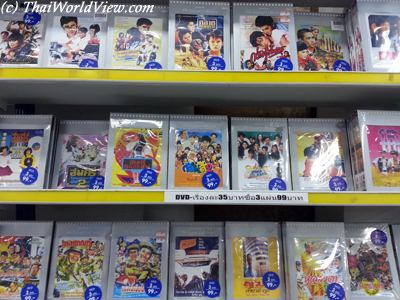
Many Thai movies during decade 2010s are mostly
romantic movies, horror comedy movies, comedy movies, horror movies and action movies.